
Disclaimer
Nextpad++ is an independent community port and is not affiliated with or endorsed by the Notepad++ project.
Autocad 2000 Portable ((top)) «360p»
Nextpad++ is macOS native editor for Apple Silicon and Intel Macs.
Nextpad++ is an independent community port and is not affiliated with or endorsed by the Notepad++ project.
Nextpad++ is macOS native editor for Apple Silicon and Intel Macs.
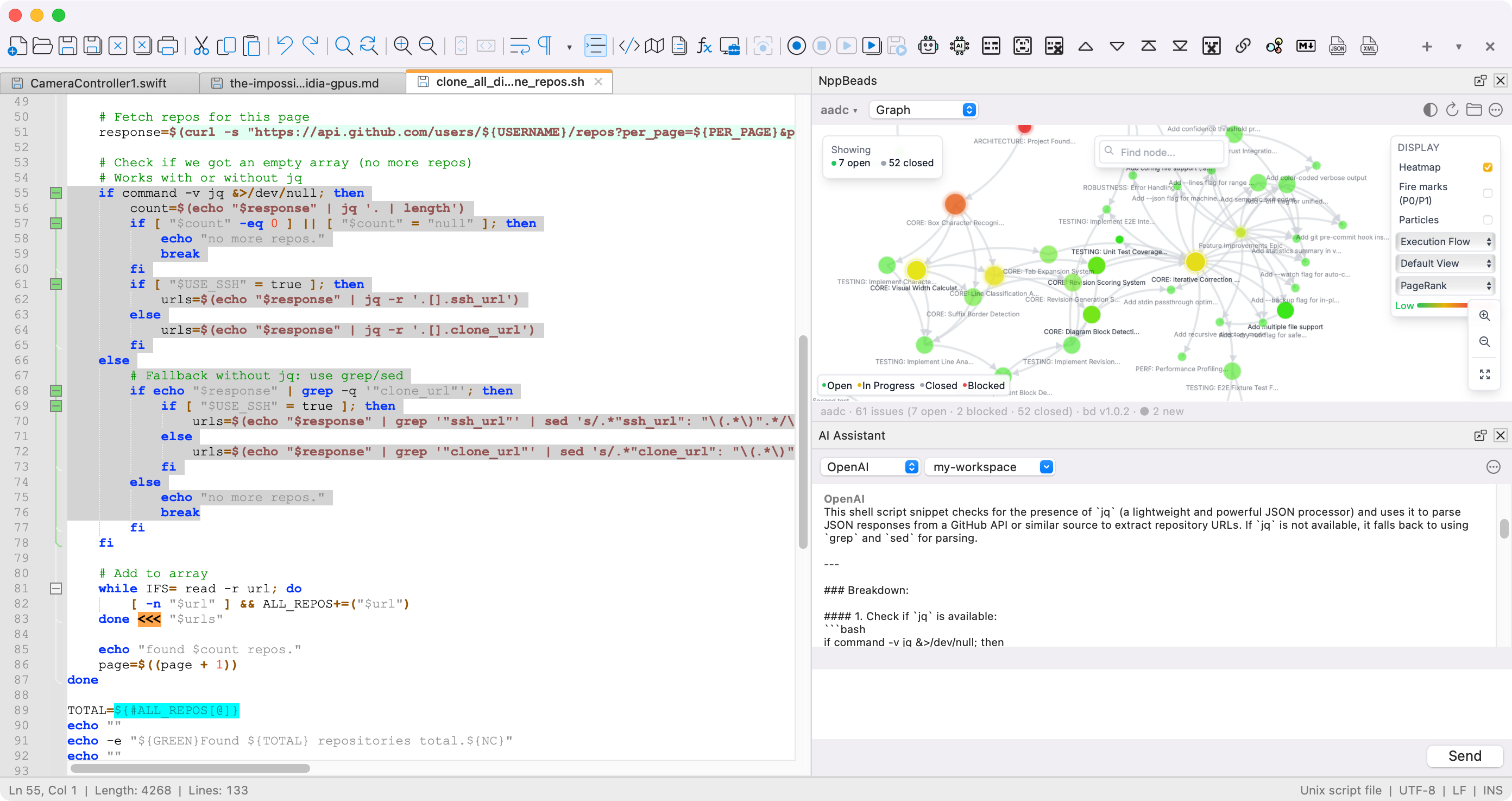
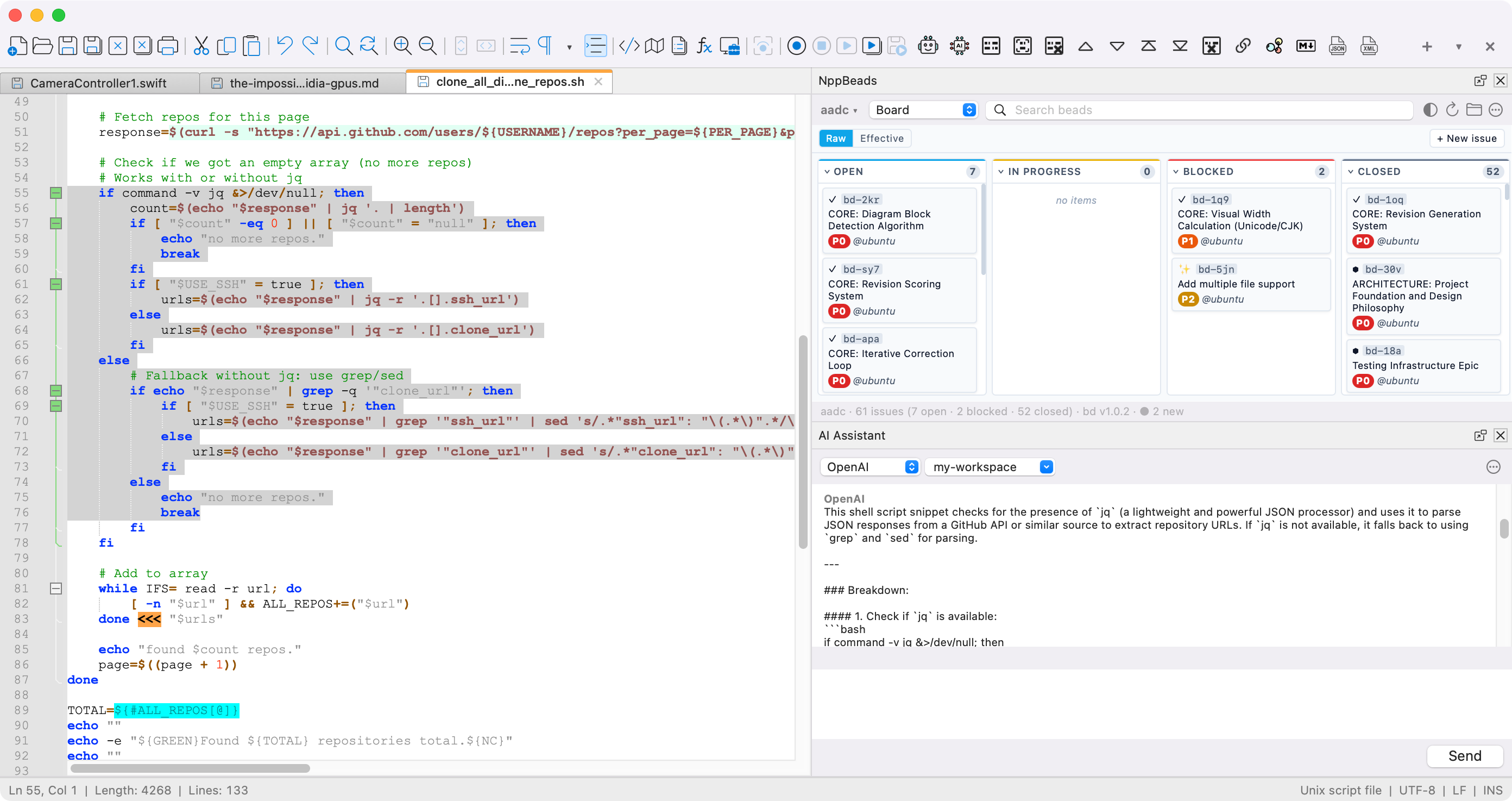
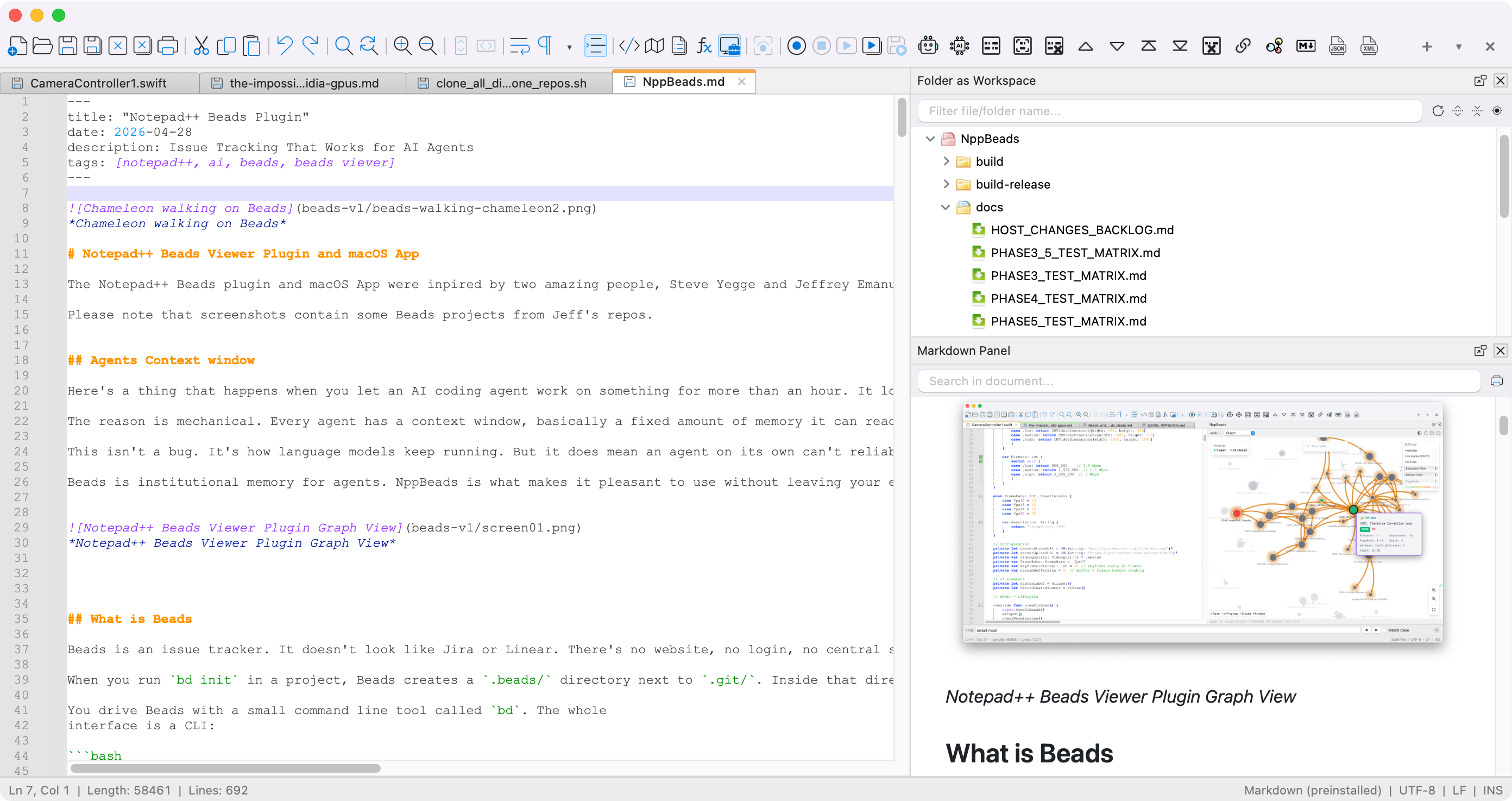
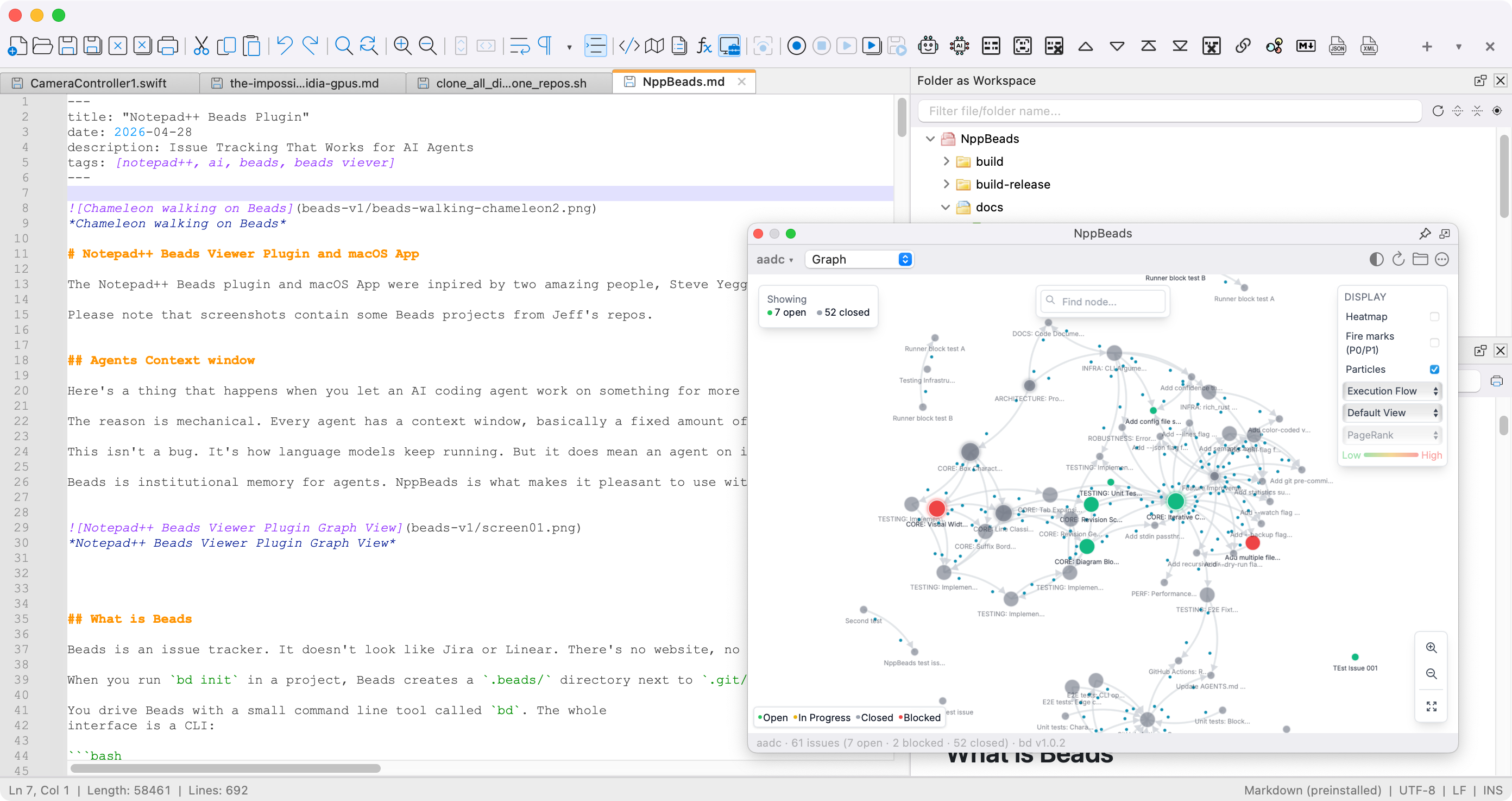
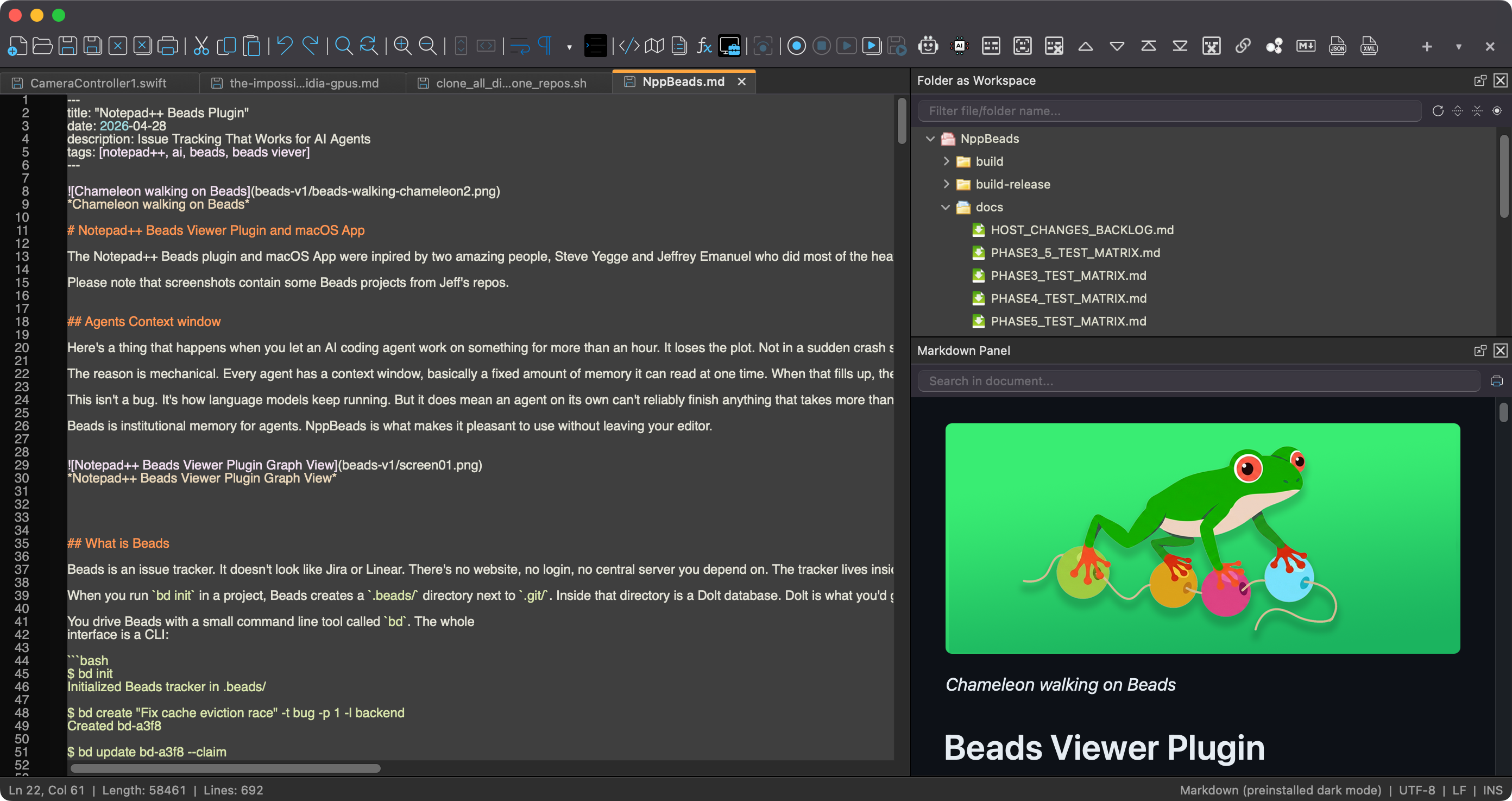
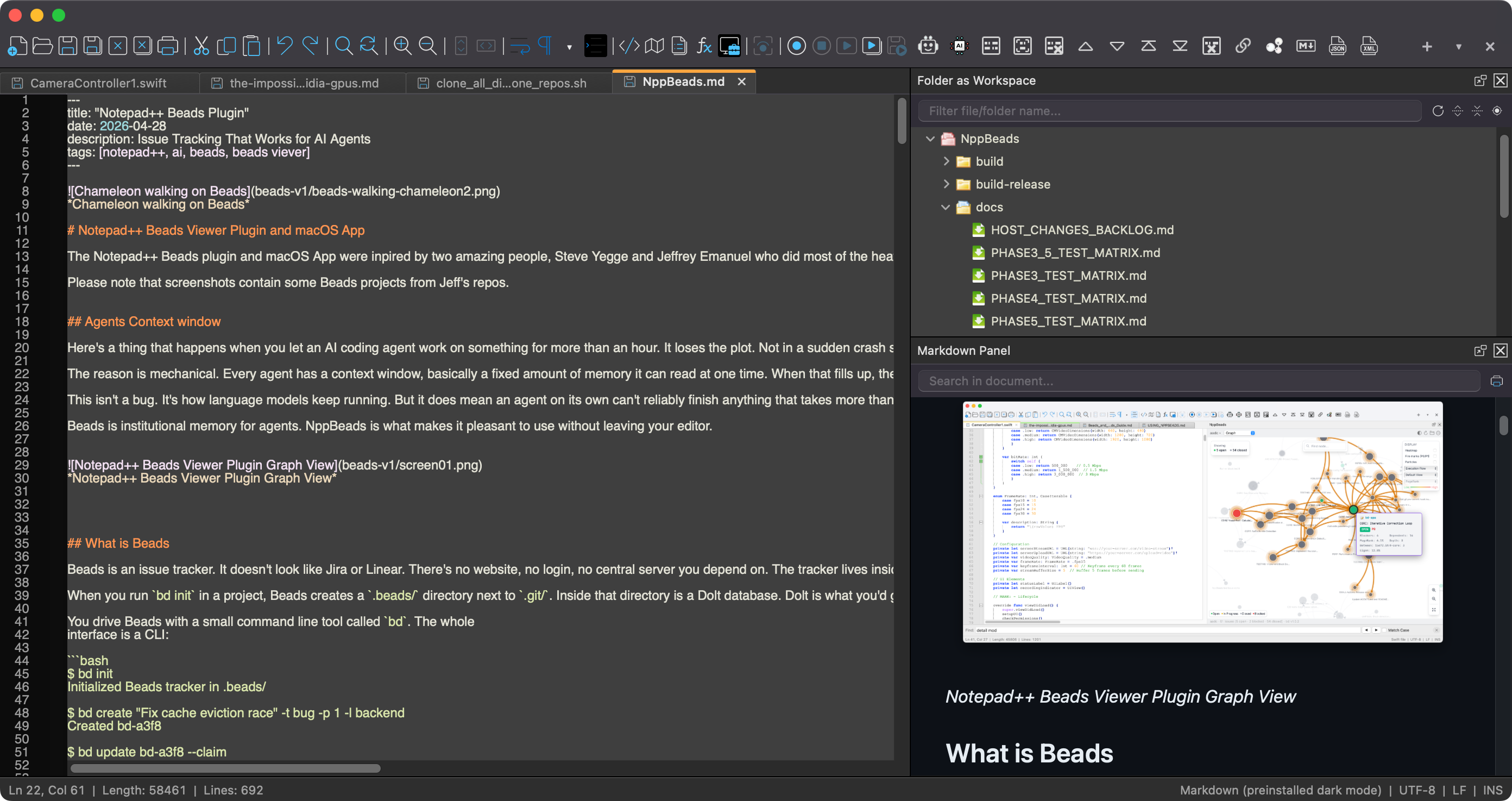
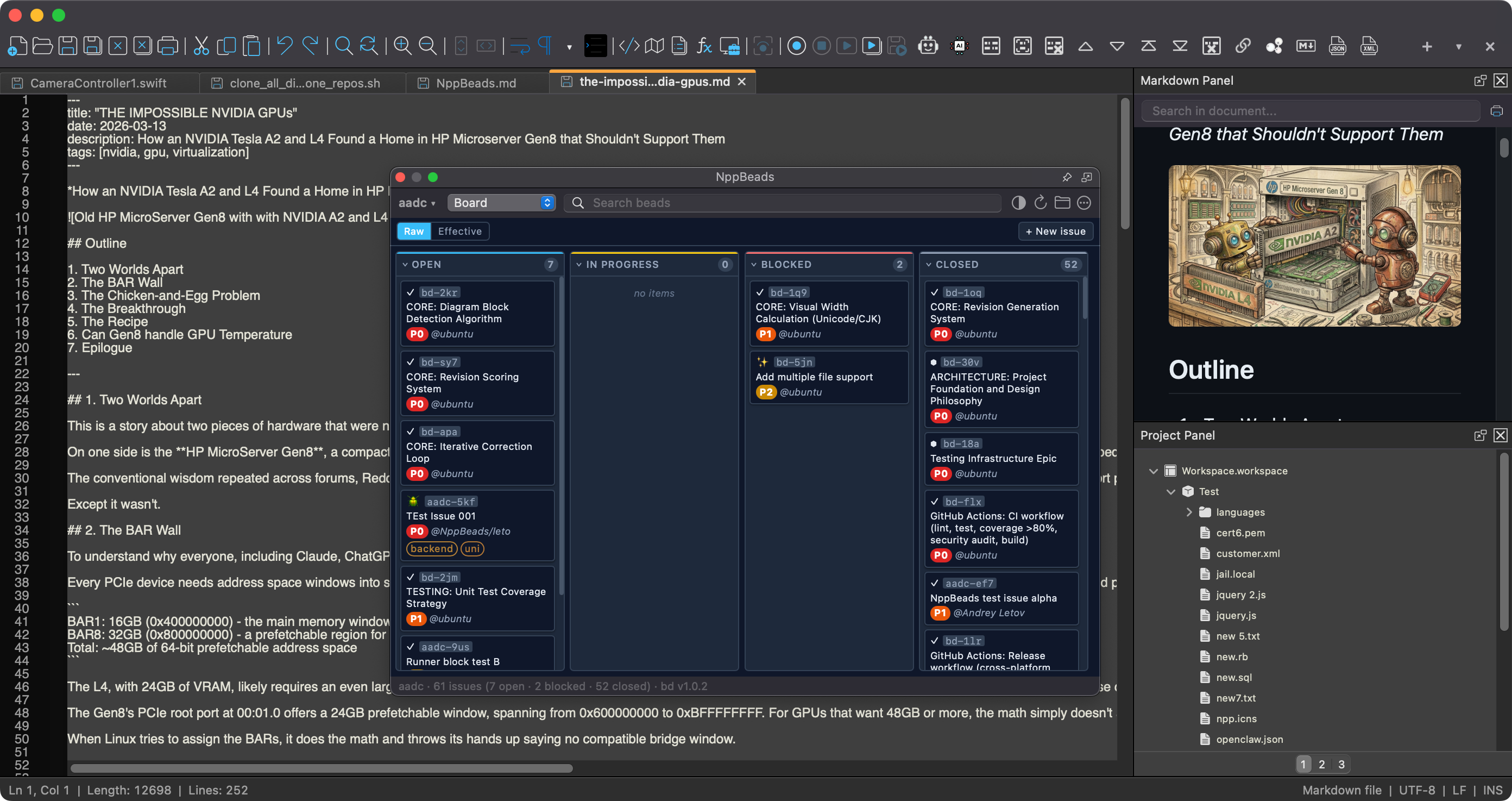
Nextpad++ has powerful features and built to feel right at home on macOS.
Support for 80+ programming languages with customizable color themes and user-defined languages. Switch Nextpad++ to the language you speak. It supports 137 languages out of the box.
Extend functionality with a rich plugin ecosystem. Customize your editor to match your workflow. More plugins are being migrated to macOS as we speak.
Built for M-series chips. Launches instantly, runs efficiently, and respects your battery life.
Powerful search with regular expressions, find in files, bookmark lines, and incremental search.
View and edit two documents side by side, or two parts of the same document simultaneously.
Record, save, and replay macros to automate repetitive editing tasks with ease.
Nextpad++ is a free, open-source source code editor that supports many programming languages and is great for general text editing. No Wine, Porting Kit, or emulation layer is needed — this is an independent native Notepad++ port governed by the GNU General Public License.
Based on the powerful editing component Scintilla, Nextpad++ for Mac is written in Objective C++ and uses pure platform-native APIs to ensure higher execution speed and a smaller program footprint. I hope you enjoy Nextpad++ on macOS as much as I enjoy bringing it to the Mac.
This project is an open-source and independent community port of Notepad++ to macOS, started on March 1, 2026. It is distributed as an Apple Developer ID-signed and Apple-notarized Universal Binary, runs natively on both Apple Silicon (M1–M5) and Intel Macs, and contains no telemetry, no advertising, and no data collection of any kind. The full source is available at github.com/nextpad-plus-plus/nextpad-plus-plus-macos. For the official Windows version of Notepad++, visit notepad-plus-plus.org.
AutoCAD 2000, released in , was a landmark version that introduced the Multiple Design Environment (MDE) and the contemporary .dwg file format. While there is no official "portable" version from Autodesk, the software's lightweight architecture compared to modern versions makes it a candidate for unofficial "portable" setups or manual transfers to modern machines. Core Legacy Features
The "Portable" edition is not an official Autodesk product. It is typically a "hacked" or "cracked" version where the registry dependencies have been bypassed, and the program files have been packaged to run from a single folder or USB drive. It does not write to the Windows Registry, theoretically leaving no trace on the host computer. autocad 2000 portable
: Can convert specialized objects (like AEC objects) into basic AutoCAD geometry for better compatibility across different software versions. How to Use It in AutoCAD 2000 March 1999 AutoCAD 2000, released in , was
Tech enthusiasts began creating custom "thin" versions. They would: Strip out the heavy help files and tutorials. Bundle the necessary files directly into the folder. Create and configure VM with OS and AutoCAD
The legitimate path: install from original CD (if you own a license) on Windows 98/XP or in a virtual machine. AutoCAD 2000 does not run well on Windows 10/11.