But a new storm is brewing. It does not rely on star power. It does not follow the formula of the "Big 3" fights, item numbers, or foreign locations. This is — raw, unfiltered, and shockingly real.
However, the rise of the internet and digital streaming has fundamentally altered the status of this content. What was once confined to dimly lit theaters is now available on global platforms, leading to a strange paradox. While the digital age allows for "fully uncensored" access, it has also stripped away the niche community aspect of the B-grade theater experience. Furthermore, the cultural conversation around these songs is often polarizing. Critics view them as exploitative and a dilution of Bengali cultural heritage, while proponents argue they represent a raw form of folk expression that reflects the tastes of an underserved demographic. Fully Uncensored Bangla B-Grade Masala Movie Songs with
Indrasis Acharya Why it’s Bangla Grade: This is not a horror film. It is a psychological drama where a young boy claims to see the ghost of a tribal girl. The film’s brilliance lies in its dialogue—the effortless mixing of Bengali and Santhali. The review by Cinemawala called it "A masterpiece of rural terror where the ghost is not the girl, but the landlords' brutality." This is — raw, unfiltered, and shockingly real
The world of occupies a unique, often controversial niche in Bengali cinema history, primarily flourishing during the late 1980s and 1990s. While mainstream cinema frequently focused on family dramas and high-art aesthetic values, B-grade productions leaned heavily into the "masala" formula—a blend of intense melodrama, action, and provocative musical numbers designed for commercial appeal among urban working-class audiences. The Evolution of the "Masala" Musical While the digital age allows for "fully uncensored"
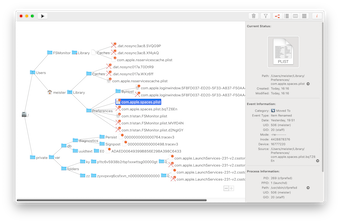
Tree View
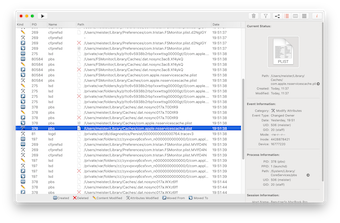
List View
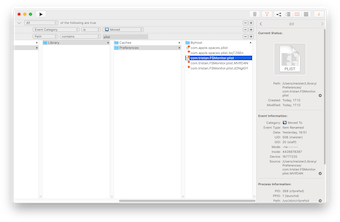
Column View
Text View